
When a patient undergoes a surgical procedure, anesthesiologists often use a general anesthetic, which allows the patient to enter an unconscious or semi-conscious state in the absence of pain. While anesthesia is generally considered safe today, anesthesia errors can be made, leading to disastrous consequences. Current statistics indicate that 1 in every 200,000 to 300,000 patients die due to anesthesia complications.
Anesthesia Attorneys Serving New York and New Jersey
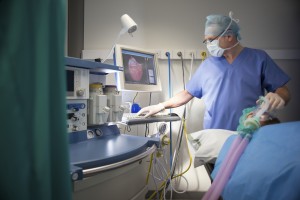
Anesthesia errors can occur for a number of reasons, but are often the result of professional negligence. When an anesthesia error could have been prevented given current medical knowledge, the responsible medical providers can be held liable for the patient’s suffering and injuries under medical malpractice laws. If you or a loved one has suffered harm because of an anesthesia error, you may be eligible to seek compensation for your damages including, but not limited to, past and future medical expenses, loss of income, disability, emotional pain and suffering and more.
The qualified New York medical malpractice attorneys at The Oshman Firm are experienced in helping people who have suffered serious injuries due to medical mistakes such as anesthesia error. We would like to learn how we could help. Please contact us to speak with a qualified attorney who can answer your questions about anesthesia error and help you understand your legal rights and options.
Causes of Anesthesia Errors
Anesthesia errors can occur at various points during a patient’s time in the hospital or doctor’s office. We trust our medical providers to do everything possible to prevent anesthesia errors. When they are negligent and fail to exercise the degree of care and prudence necessary, injured patients have the right to hold them accountable.
The following are some of the most common anesthesia mistakes resulting from medical negligence or wrongful action:
- Anesthesia dosage error: This can happen when an anesthetic product is improperly labeled, resulting in the administration of the incorrect dose. A dosage error can also happen if an anesthesiologist gives the patient too much or too little anesthesia.
- Delayed anesthesia delivery: This anesthesia error can be due to vaporizer leakage, IV errors, syringe-swapping troubles and other complications at the outset of surgery.
- Failure to intubate or injury caused during intubation: During surgery, an anesthesiologist will often intubate a patient to help them breath safely during the procedure. If this medical provider makes an error during intubation, serious injury can result.
- Failure to properly monitor a patient: An anesthesiologist is responsible for regulating a patient’s level of consciousness during the procedure, ensuring that a patient is not experiencing any complications or distress. Failure to fulfill these essential duties constitutes medical malpractice.
- Failure to recognize complications
- Leaving the bed, allowing the patient to go unattended: The operating room can be a hectic busy environment, with many opportunities for distraction. However, as previously stated, an anesthesiologist and other medical providers have the primary duty of monitoring the patient and preventing harm.
- Turning off the alarm on the pulse oximeter: This device is used during many medical procedures to monitor the level of oxygen in a patient’s blood. This is a key vital sign monitored during surgery. These medical devices have an alarm function intended to alert medical providers when levels give cause for concern. If a medical professional turns this function off, they may miss important cues about patient distress and injury.
- Improper or negligent administration of oxygen during surgery
- Allowing oxygen to come too close to hot surgical equipment
- Drug or alcohol use by an attending medical provider
- Communication errors: Among many possible scenarios, this may include such communication errors as failure to give patients proper instructions about eating and drinking before surgery.
- Dangerously prolonged sedation
- Defective equipment
Injuries Caused by Anesthesia Errors
The type of damage caused by anesthesia error will undoubtedly depend on the type of mistake that was made and the subsequent medical response. The most common injuries caused by anesthesia errors include:
- Tracheal damage or injury to surrounding areas caused by intubation errors
- Asphyxia or lack of adequate oxygen supply
- Cardiovascular injury, which may include heart attack or stroke
- Birth defects
- Loss of bodily function
- Brain damage including traumatic brain injury or TBI
- Spinal cord injury, which often leads to paralysis or loss of feeling and function in the body
- Coma
- Death
Anesthesia Awareness
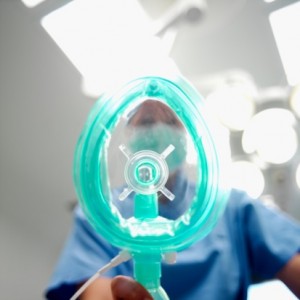 Anesthesia awareness is a particular type of uncommon yet serious harm that can occur because of anesthesia error. As we mentioned above, an anesthesiologist has the responsibility to correctly regulate a patient’s consciousness during a surgical procedure. If the medical provider administers an insufficient dose of anesthesia, a patient may wake up in the middle of the procedure.
This can be a horrifying experience, since the person is often paralyzed and unable to speak — yet they are aware of what is happening and may even experience the extreme pain of surgery. According to a study in Anesthesia & Analgesia, nearly one-half of patients who experience anesthesia awareness will hear conversations in the operating room, half will feel as if they cannot breathe, and 28 percent will feel the pain of surgery.
Experiencing anesthesia awareness can be traumatizing physically and/or emotionally. Some patients who experience awareness report feelings of paralysis and helplessness. The emotional trauma associated with anesthesia awareness can lead a patient to develop post-traumatic stress disorder, anxiety disorders, sleep problems and more.
In the past, hospitals and doctors have been reluctant to address the serious issue of anesthesia awareness. However, this is undeniable problem affects thousands of Americans each year, and it is getting harder to ignore. In fact, the Joint Commission on Accreditation of Healthcare Organizations states that 21,000 to 42,000 Americans experience anesthesia awareness each year.
In some cases, anesthesia awareness occurs because a patient reacts unexpectedly to a type or dose of general anesthetic, they are given a light dose on purpose due to the instability or severity of their condition, or a medication masks signs that a patient has not received enough anesthesia. However, anesthesia awareness may be the result of a medical professional’s error or equipment failure. In the latter cases, the injured patient may be able to seek compensation for their losses and suffering.
Seek Help After an Anesthesia Error
If you or a loved one has suffered serious injury because of an anesthesia error in the New York or New Jersey region, you may be able to seek compensation for your losses and suffering. To learn more about your legal rights and options please contact the qualified and experienced medical malpractice attorneys at The Oshman Firm for a free and confidential consultation. We are available to answer your questions and determine the best course of action given your situation.