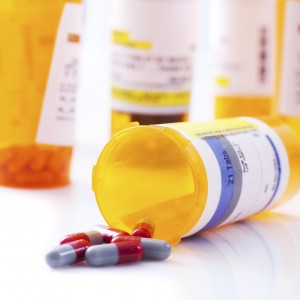
 Pharmaceutical drugs are essential for millions of Americans to live their lives comfortably. More than half of Americans were using one to four prescription drugs as recently as 2012, with 20% having to take five or more, according to a National Center for Health Statistics report.
Pharmaceutical companies understand far too well Americans’ reliance on medication. They often use it to their advantage, producing drugs that sometimes do us more harm than good because they were more concerned about their bottom line than the safety of consumers. When this happens, people like you and your loved ones can suffer the consequences and experience critical injuries that can destroy your body and drain your finances.
The pharmaceutical lawyers at The Oshman Firm have seen this trend too many times, and for more than 35 years we’ve made it our business to represent people who trusted that the drugs they took were safe. We make sure the drug manufacturers pay for the harm they caused you, and we seek the maximum amount of compensation for your injuries.
If you or a loved one has suffered a drug injury, call our offices today at (800) 400-8182 to speak to a pharmaceutical drug attorney who knows how to stand up to drug manufacturers and protect your right to live a healthy, comfortable life.
Causes of Pharmaceutical Injuries
Each medication contains a unique ingredient, or blend of ingredients, designed specifically to trigger certain actions within the body. When the chemistry of a medication is wrong for your body, it can do serious damage that creates new complications as well as worsen existing conditions. Some common causes of pharmaceutical injuries include:
- Ingredients that are harmful or toxic to your system
- Medication that was prescribed incorrectly
- Medication that interacts volatilely with other medications
- Medication that is prescribed in incorrect doses

- Medication that has dangers not explained to the patient
It’s important to be very clear about the drugs you take and how they may interact with your body. When manufacturers fail to convey the risks and dangers of medications, they can put your life at risk.
Types of Pharmaceutical Drugs
The Oshman Firm litigate cases involving a large variety of drugs. Here are some of the drugs and drug categories we are prepared to litigate:
- Antidepressants – Paxil, Prozac, Effexor, Zoloft, Lexapro
- Birth control – Mirena, Ortho Evra, Yaz/Yazmin
- Blood clot and stroke prevention – Pradaxa, Xarelto
- Diabetes – Actos, Avandia, Byetta
- Hormone replacement therapy – Testosterone, ‘low-T”
- Others – Fosamax, Levaquin, Reglan
Complications Caused By Dangerous Pharmaceutical Products
The laboratory-synthesized ingredients of pharma products can be extremely dangerous and even fatal if risks and dangers are not properly identified before the drug is sold.
Problems that have been associated with certain prescription drugs over the years include:
- Heart damage
- Liver damage
- Respiratory problems
- Seizures
- Sexual dysfunction
- Toxicity
- Other organ injuries
Pharmaceutical manufacturers have a responsibility to make safe products that will help the consumer, not hurt them. They also have a duty to warn you of the possibilities of danger in a drug. When they fail to do this, it puts at risk your health, your life and the wellbeing of your family, and you should seek compensation for your injuries or losses.
Do You Have a Pharmaceutical Drug Case?
If you have or are experiencing medical problems because of pharmaceutical drugs you took, whether by prescription or over-the-counter, you can seek compensation from the medication’s manufacturer.
The strength of your case will depend on a number of factors, such as:
- If you were using the drug as it was prescribed. Your case could be damaged depending on if you were following the directions for taking the drug.
- Whether you were taking the drug for its intended purpose as described by the Food and Drug Administration (FDA).
- If the complication that arose after taking the medication was noted on the drug’s packaging and/or warning labels
- The financial and physical losses that you experienced as a result of taking the medication. These can include the extent and severity of the medical attention you have received and any time missed at work because of the complications.
- If the drug manufacturer knowingly neglected to inform the public of the drug’s potentially harmful side effects
With all the different factors that may influence a pharmaceutical drug case, it’s important to speak with a pharmaceutical lawyer who can evaluate the facts and determine the strength of a potential lawsuit.
Holding Drug Companies Accountable
Marketing and selling of medication should always be done responsibly. Unfortunately, the high demand and lofty profits of the pharmaceutical drug market contribute to pharmaceutical drug companies rushing drugs into release without properly testing them for harmful effects.
When drug companies aren’t held accountable for their negligent or dangerous actions, they get away with doing serious harm to you and your loved ones, but they also avoid punishment that could stop them from harming others in the future.
It’s for this reason that hiring a pharmaceutical lawyer is so important – when you seek compensation for your injuries you are fighting back not just for yourself, but also for other consumers who rely on medication for quality of life.
The Oshman Firm has more than 35 years of experience protecting the legal rights of people harmed by the negligent actions of drug manufacturers. We understand the pain and suffering you and your family may be going through right now. We won’t hesitate to use every resource at our disposal to seek a settlement or verdict providing full compensation for all of your damages.
Call us at (800) 400-8182 for a free consultation about your case. We’ll listen to the details of your case, and let you know exactly how we can help you stand up to the pharmaceutical company responsible for your injury.
Dangerous Prescription Drug FAQs
- What is a defective drug?
- How do dangerous drugs get on the market?
- What are the responsibilities of drug manufacturers?
- What does the government do to ensure public safety?
- What should I do if I am taking a drug that has been recalled?
- What legal rights do victims of defective drugs have?
- What is a drug recall?
- What is a voluntary drug recall?
- What is the difference between FDA-recommended vs Federal-mandated Drug Recalls?
What is a defective drug?
Any drug that causes severe or adverse side effects outweighing the drug’s intended positive effects may be considered defective.
How do dangerous drugs get on the market?
Because of how lucrative many pharmaceutical drugs are, there is incentive for drug companies to rush production of a product in order to acquire its patent and maximize profit. This rushing means proper safety testing may not be conducted, and defective and harmful drugs end up on the market.
What are the responsibilities of drug manufacturers?
Safety should be the first priority of any drug manufacturer. When a drug has harmful effects, manufacturers risk violating the design defect, manufacturing defect and failure-to-warn policy that states a drug must:
- Act as the manufacturer intended it
- Produce the product in good faith, in an untainted and unchanged manner
- Warn consumers about potential risks
When manufacturers don’t abide by these policies, they become liable for damages to injured consumers.
What does the government do to ensure public safety?
The Food and Drug Administration has the final say in whether or not a drug is approved. Manufacturers typically must conduct safety trials, but these are not always accurate and, in some instances, companies have even withheld unfavorable test results from the FDA. When this happens, you may need to protect yourself by hiring a pharmaceutical drug lawyer.
What should I do if I am taking a drug that has been recalled?
Contact your doctor immediately. You should not stop taking a medication that has been prescribed to you without first discussing it with your doctor. They will be able to determine if your complications are due to taking the prescribed pharma product, and to prescribe a safer alternative in the event that it is. Then contact a lawyer to discuss your options for pharmaceutical litigation.
What legal rights do victims of defective drugs have?
Pharmaceutical manufacturers may be liable for any injuries you suffered from taking their medication, as well as all other associated expenses. Contact a pharmaceutical attorney at The Oshman Firm to learn more about how you can fight these drug companies and seek compensation for your suffering.
What is a drug recall?
When a product released for public consumption by a pharmaceutical company is taken off the market, it has been recalled. This removal may be temporary or permanent, and it may be initiated either by the government or the drug company.
What is a voluntary drug recall?
If a pharmaceutical company discovers evidence that a drug could be harmful, it may voluntarily take the product off the market.
What is the difference between FDA-recommended vs Federal-mandated Drug Recalls?
If the FDA acquires evidence that a drug is dangerous it may issue a public warning, and require the warning be added to the product’s label. It may also recommend that the product be recalled and altogether removed from the market.
In rare cases, a pharma company will refuse to recall a drug. In this event, the FDA reserves the right to issue a federal mandate making its sale against the law.
News about Pharmaceutical Lawsuits from Our Blog
- Inspiring Stories Raise Spina Bifida Awareness
- Best Online Birth Defect Communities
- Help for New York Families Affected By Birth Defects
- Merck & Co. Offers $100 Million NuvaRing Settlement
- New Morning Sickness Drug Diclegis Has Troubled History
- Propecia, Proscar, Avodart & Jalyn Linked to Persistent Sexual Dysfunction & Cancer
- Zocor and a Potentially Lethal Combination with Codorone
- Monitoring Drug Recall: Enhancing the Postmarket Safety System
- Surgical Mesh can cause Serious Complications
- Zimmer NexGen Knee Implant
Information about Specific Drug Lawsuits
Select a link below to learn more specifically about the side effects of a drug and litigation information.
- ACCUTANE | ACTOS | ADDERALL | ADVAIR | ANTACID & FRACTURES | AVANDIA | ALLI/XENICAL
- BAYCOL | BENICAR | BEXTRA | BIRTH DEFECT DRUGS | BYETTA
- CELEBREX | CLOMID | CYTOTEC
- DEPAKOTE | DIGITEK
- ELIDEL | EPHEDRA
- FENTANYL | FOSAMAX
- GADOLINIUM | GRANUFLO | GUIDANT
- HEPARIN | HYDROCODONE, OXYCODONE AND CODEINE
- KEPPRA | KETEK
- MERIDIA
- NOVANTRONE
- ORTHO EVRA | OXYCONTIN
- PAIN PUMP | PERMAX | PROTOPIC
- QUININE
- RAPTIVA | REGLAN
- SSRIs | STEROID INJECTIONS
- TEQUIN | TERBUTALINE | TOPAMAX | TRASYLOL | TYLENOL
- VIOXX | VYTORIN / ZETIA
- XARELTO | XOLAIR
- YAZ
- ZELNORM | ZOCOR | ZOLOFT | ZYPREXA